Michael
She/her
Therapist, LMFT
Michael has been supporting LGBTQ+ people since 2009. Her warm, collaborative approach draws on mindfulness, attachment, and family dynamics to help members work toward meaningful change.

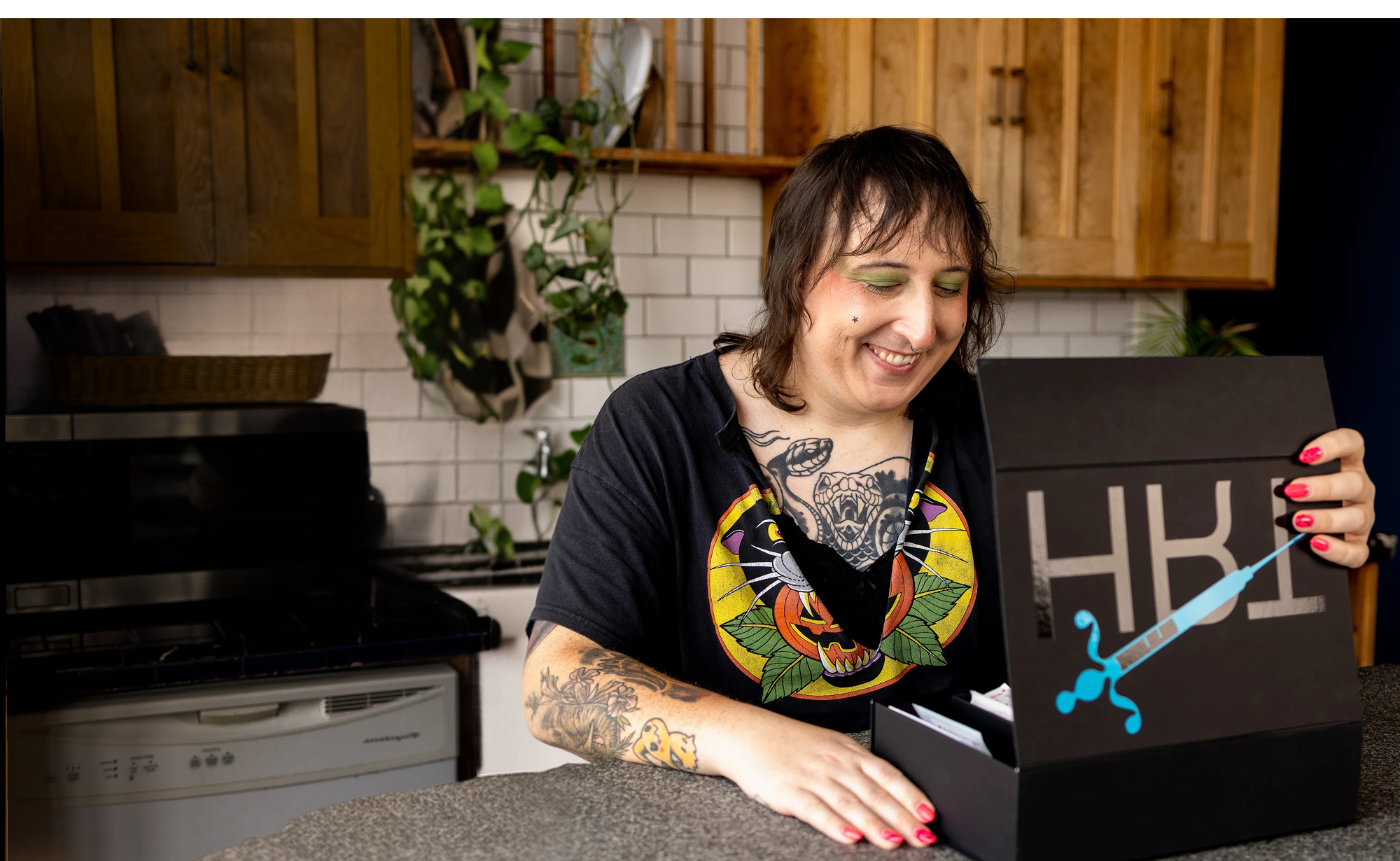
Whether you’re starting estrogen, fine-tuning a long-term regimen, or exploring what feminizing hormone therapy could look like for you, Folx offers expert individualized care for your transition.

Join Folx
Sign up for a Folx membership in minutes. Available to adults nationwide - no matter where you are or how you identify.
Meet your clinician
Book a visit with an LGBTQIA+-dedicated clinician who actually understands hormones and primary care across all bodies. Pay your co-pay, or our transparent out-of-pocket rates.
Get your care plan (and your meds)
Your clinician builds a personalized care plan based on your symptoms, history, and goals. If medication is part of it, get it at a pharmacy of your choice.
Stay connected
Join our Community platform and message your care team whenever you need — not just at scheduled appointments. Access support groups, resources, and events, too.
We celebrate diversity, with over 1 in 3 of our clinicians and clinical support staff identifying as transgender, nonbinary, genderqueer, gender diverse, or two-spirit, and nearly 4 in 5 as bisexual, gay, lesbian, pansexual, or queer.
She/her
Therapist, LMFT
Michael has been supporting LGBTQ+ people since 2009. Her warm, collaborative approach draws on mindfulness, attachment, and family dynamics to help members work toward meaningful change.
She/her
Clinician, MD
Amanda brings extensive experience in primary care and telehealth to her work at Folx. Inspired by watching loved ones struggle to find affirming healthcare, she's passionate about creating a supportive environment where every member feels heard and empowered in their care.

She/her
Clinician, NP
Heather has been providing sexual and reproductive care and gender affirming care for more than a decade. She takes a compassionate, nonjudgmental approach, helping members feel empowered to make decisions about their health.

They/them
Clinical Staff, RN
Jacob is a transmasculine-identified registered nurse who specialized in HIV, PrEP, and sexual health for queer and trans people. They are passionate about normalizing and destigmatizing sobriety, especially within the healthcare field.
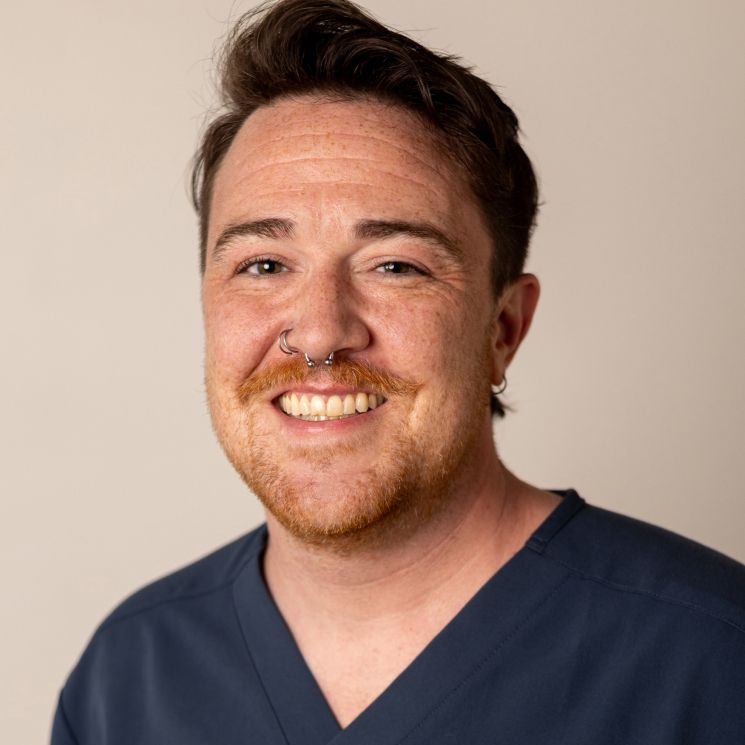
She/her
Therapist, PsyD
Synthia is a queer and transgender psychologist specializing in PTSD, depression, anxiety, neurodivergence, polyamory, and kink identities. Her intersectional approach draws on ACT and Liberation Psychology to help members embrace their authentic selves and heal.

She/her
Clinician, CNM
Erica brings over a decade of experience in reproductive healthcare, supporting LGBTQ+ families as a birth doula, midwife, and nurse. She provides compassionate, trauma-informed care that centers each member's experiences, needs, and goals.

He/him
Clinician, NP
Ahmaad has extensive experience in LGBTQ+ healthcare and a passion for sex-positive, kink-aware sexual health. Grounded in radical listening and a Health at Every Size approach, he creates space for patients to feel heard, respected, and empowered in their care.

She/her
Clinician, NP
Kate has over a decade of experience providing primary care, gender-affirming care, and sexual and reproductive healthcare. Kate is passionate about menopause care and supporting people through the changes and challenges of midlife.


Find out if this service is offered in your state and what you can expect to pay by entering your details below.


Gender Affirming Care
The most common and affordable form of estrogen that we prescribe. These provide a stable, daily dose of estrogen in an easy to consume form. Estradiol pills do not need to be taken with food. We recommend dissolving them under your tongue as this goes directly into the blood stream like transdermals and injections.
A daily dose of estrogen in pill form, usually dissolved under the tongue. Tablet may dissolve immediately or take time to dissolve–if tablet is still under your tongue in 20-25 mins, you can take a sip of water and swallow any remaining.
Some people notice a funny taste to the estradiol pills when they dissolve them under their tongue.

Gender Affirming Care
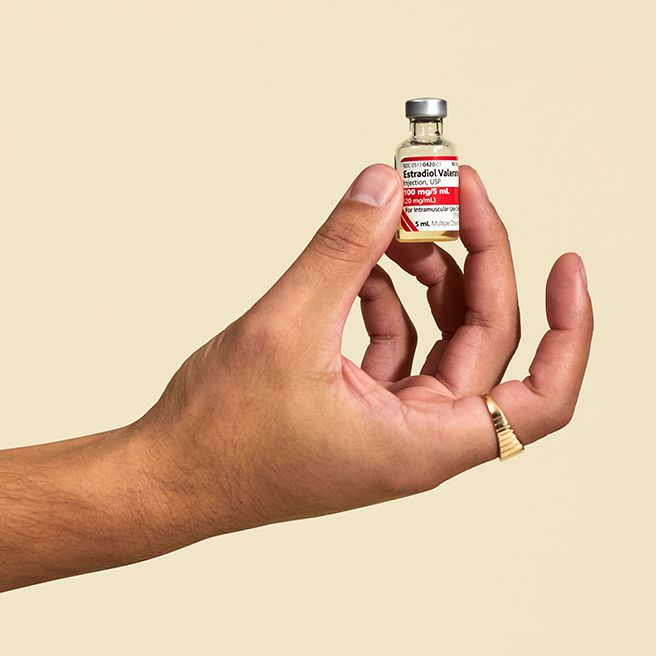
Weekly, or every other week, self administered injection. Valerate is the most common injectable estrogen used in the US. An alternative form of injectable estrogen is estradiol cypionate. The estrogen in the injections is the exact same 17B-estradiol that is in pills and topicals.
Injections only need to be taken every week or every other week based on your dose dose and route of administration. We recommend subcutaneous over intramuscular because of a smaller injection needle used, less tissue pain and trauma with injection, and more steady state hormone levels.
Some people experience a local foreign body reaction at their injection site that can cause itching or swelling. This can be treated with ice or benadryl.
Some people may have mild allergic reactions to the proteins in the oils (valerate, sesame; cypionate, cottonseed).


Gender Affirming Care
Patches have less fluctuation in hormone levels than injectables since the patch evenly releases medicine through the skin little by little 24/7 and throughout the week. Compounded creams provide similar steady daily dosing but also have variable absorption.
A patch (or multiple matches) changed weekly or every 3-4 days, allowing estrogen to be absorbed from the glue through the skin and into the bloodstream.
Compounded cream applied daily, wash hands after application.
Some people develop skin irritation and itching from the glue on the patches.



Gender Affirming Care
Nightly capsule that many patients report to have positive effects on: fat distribution, breast development, mood and libido. There is less research on whether progesterone is effective as compared to what we know about estrogens, but it is considered a safe medication to use.
Progesterone is a capsule that is usually taken before bed.
Progesterone may cause fatigue, increased appetite and weight gain. Some people find that it’s sedating effect is helpful for anxiety and sleep.
Some patients report improvement in: fat distribution, breast development, mood and libido. Other patients do not like its effects on mood and mental health. It may be helpful in supporting desired changes from estrogens. There is less research on whether progesterone is effective, as compared to what we know about estrogens, but it is considered a safe medication to use.


Gender Affirming Care
A very common diuretic or water pill often used for heart and blood pressure conditions that also has anti- androgen effects. It mostly blocks androgen receptors on skin and hair cells. It may also help lower testosterone, but only in a minor way.
Take once or twice a day. It can cause increased urination. If you are prone to low blood pressure, or feel faint and light headed, talk to your provider.
Spironolactone can affect kidneys that may be already vulnerable to dysfunction due to increasing age, renal disease or other kidney issues. It retains potassium so it can increase potassium levels. It is generally safe for most healthy people to use under medical supervision and with some occasional blood work.
Spironolactone, like progesterone, can be used as a supporting medication to estrogens. For someone with hair dysphoria, it can help block any remaining androgens that testes make, from stimulating oily skin, thicker darker faster growing face and body hair.


Gender Affirming Care
DHT blockers (5 alpha reductase blockers) help block the effects of androgens in your body. They reduce the conversion of what testosterone is still available in the body to the more potent androgen, dihydrotestosterone (DHT). DHT blockers can reduce face and body hair as well as prevent continued or future head hair loss.
It's a daily pill that can be taken at any time during the day.
The common side effects have only been studied in cisgender AMAB (assigned male at birth) persons: sexual dysfunction that sometimes is associated with depression or suicidality. It does not affect kidney function or potassium so is safer for older persons or persons with kidney problems.
Estradiol is the most commonly prescribed form of estrogen for gender-affirming hormone therapy (GAHT). It both reduces testosterone levels in the body and promotes the development of secondary sex characteristics such as breast growth, body fat redistribution to hips and thighs, decreased muscle mass, facial softening, and more. It can impact mood and emotionality, usually in ways desired by patients. Read more in our Library on the different forms of estradiol or expected changes on estrogen HRT.
No, you don’t. However, anti-androgens work well with estrogen by blocking the masculinizing effects of testosterone mostly on skin and hair. Read more in our Library on anti-androgens and progesterone routes.
When you receive GAHT through Folx, you'll work with your clinician on putting together a care plan to achieve your goals. That will impact which medications you're prescribed which could include just an anti-androgen or progesterone and no estradiol prescription. Estradiol, however, is the main hormone for feminizing effects.
All of our estrogen medications use 17B estradiol. We prescribe estrogen pills (the most common method of HRT), patches, creams, and injectable estrogen. You can discuss benefits, side effects, and risks with your clinician, as well as evaluate your own comfort and costs associated with each option.
The exact same 17-B estradiol hormone in all HRT/GAHT medication options. It is one of the safest estrogens available and comes a variety of different routes (skin, pills, injections) for delivering hormone to the blood stream and then body. If you are having difficulty taking your medications as prescribed, please make an early follow up appointment. We can work with you to come up with an easier plan.
Gender affirming results will vary based on: age, genetics, doses and taking the hormones as recommended. At your ongoing follow up visits, we will be checking in on whether or not you are getting what you want out of hormones. We will review your labs, including typical estradiol levels (ideally 100-350).
Some common side effects with taking estradiol are lower libido and or erectile dysfunction. You may also experience somewhat more mood ups and downs, more tearfulness. Usually people report that this more expansive emotional response feels right.
Less common more serious adverse events:
Estradiol has been linked to higher risk of blood clots. Deep vein thrombotic events (DVTs) may result in stroke or pulmonary embolism, rare but serious events. You are more at risk for these problems if you: smoke tobacco or nicotine; age > 50 years; heart disease, including hypertension; high cholesterol; diabetes; chronic pulmonary disease or sleep apnea; and age over 50 year. We encourage people to reduce what risks are modifiable in order to stay safe and healthy.